Hello Coaches,
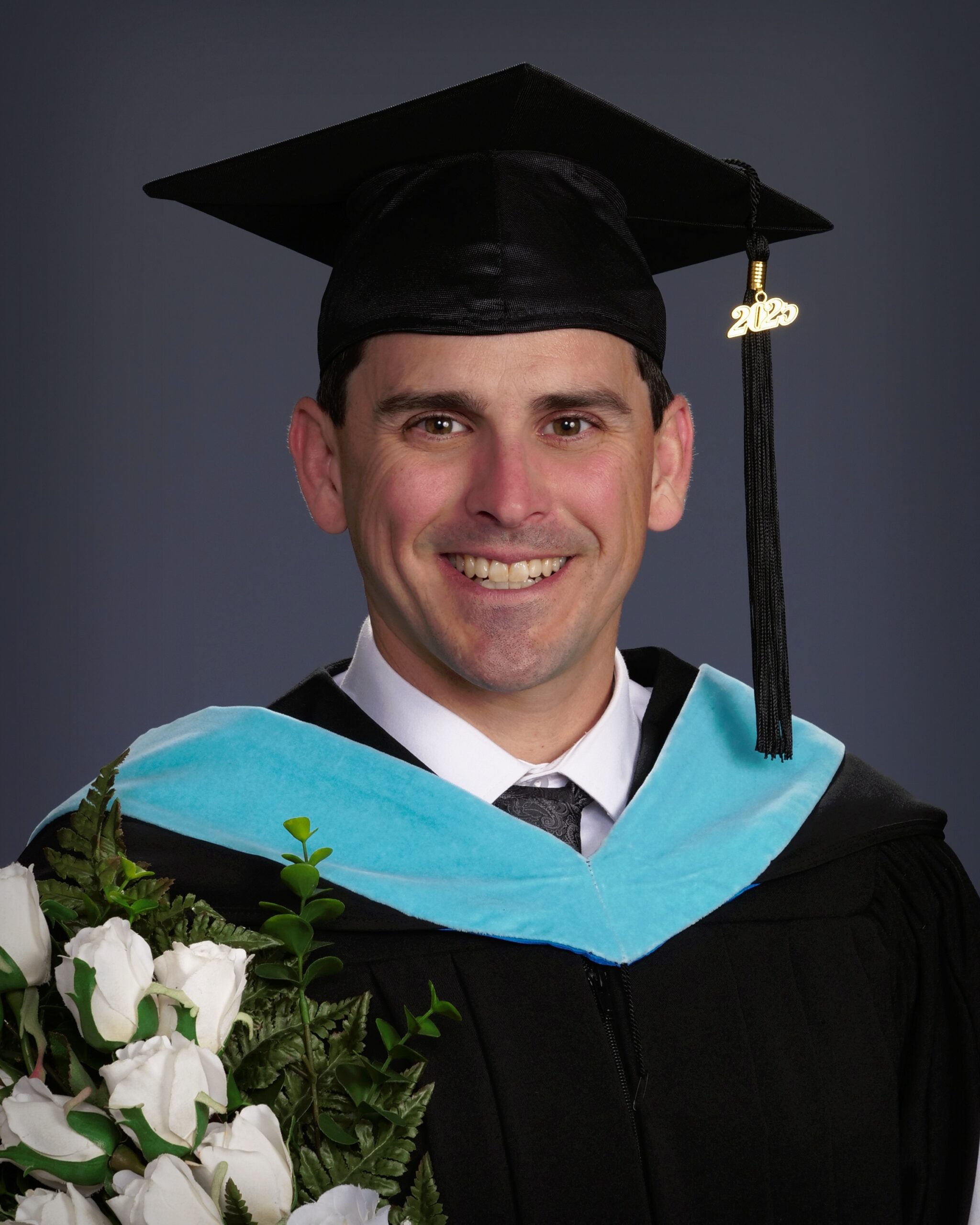
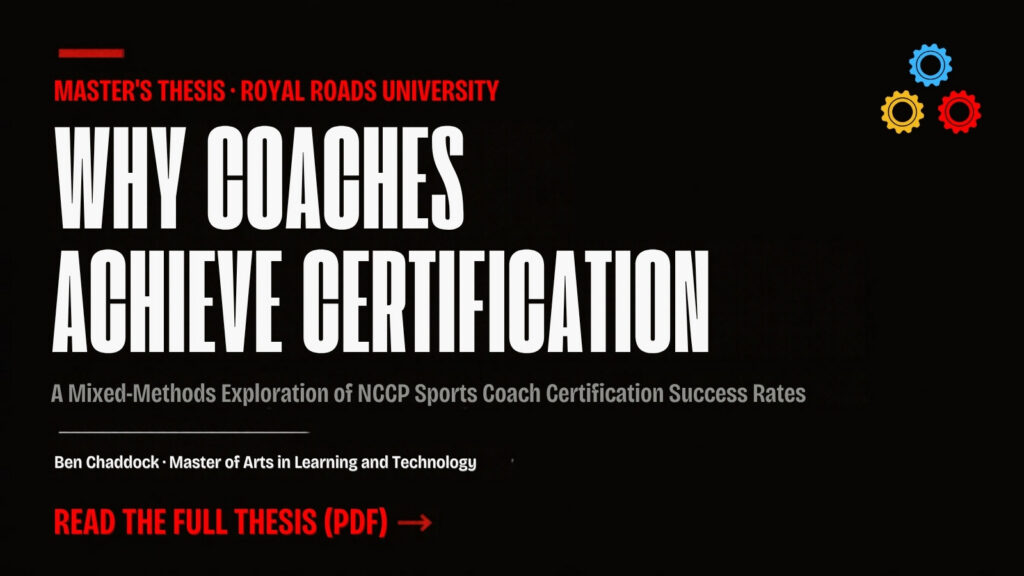
Over the past several years, I completed a Master of Arts in Learning and Technology at Royal Roads University to explore how current sport coach education programs are meeting the needs of Canadians.
I explored learning design, consumer behaviour, and personality traits to better understand why completion rates are so incredibly low.
The research centred on the NCCP’s Competition-Introduction program, commonly a 40-hour experience designed for club coaches supporting youth athletes as they navigate the journey from FUNdamentals stages and choose either Sport for Life or Performance Pathways.
To do so, I gathered data from 67 coaches, coach developers, and instructional designers across 11 Canadian sports, using a mixed-methods approach combining regression and thematic analysis to uncover both measurable trends and the lived experiences behind them.
Key Findings
The research found that coach certification is shaped by far more than course content alone. Coaches who achieved NCCP-trained and certified status were more likely to have higher household incomes, access to incentives, relevant prior academic achievement, and employment in part-time or full-time coaching roles. Personality traits and individual learning preferences also played a meaningful role.
At the same time, the research revealed a broader design challenge: while many coaches genuinely value certification, existing pathways still present barriers around clarity, cost, time, accessibility, evaluation design, and the overall learner experience.
What This Means for Coach Education
These findings point to a clear direction for improving coach education in Canada. Future programs would benefit from more accessible and relevant content, flexible evaluation methods, and deliberate mentorship and post-course support. Equally important is a shift toward learner-centred design that reflects the diverse needs and motivations coaches bring — paired with sport-specific policies and incentives that encourage completion. Put simply, coach certification is not only a teaching-and-learning issue; it is also a question of design, motivation, access, and support.
Watch the Video Summary
I recorded a video summary of my thesis defence presentation to make the findings more accessible. In it, I walk through the motivation behind the research, the questions and methods used, the major findings, practical implications for coach education, and opportunities for future research and program design.
Read the Full Thesis
The complete thesis, with the full literature review, methods, data and recommendations, is free to read and download as a PDF from the VIURRSpace research repository.
Explore More
Thank You
Thank you to the coaches, coach developers, and sport leaders whose experiences helped shape this research.
My hope is that this project contributes, in a small but meaningful way, to stronger coach development systems in Canada — and, ultimately, to better sports experiences for the people coaches serve every day.